
As part of the European Apprentices Network’s (EAN’s) Advice Corner series, we spoke to Natasha Iversen, International Officer at the Danish Vocational and Technical School Student’s Union. The article explores the challenges facing apprentices in Denmark, the push for stronger apprentice representation and more.
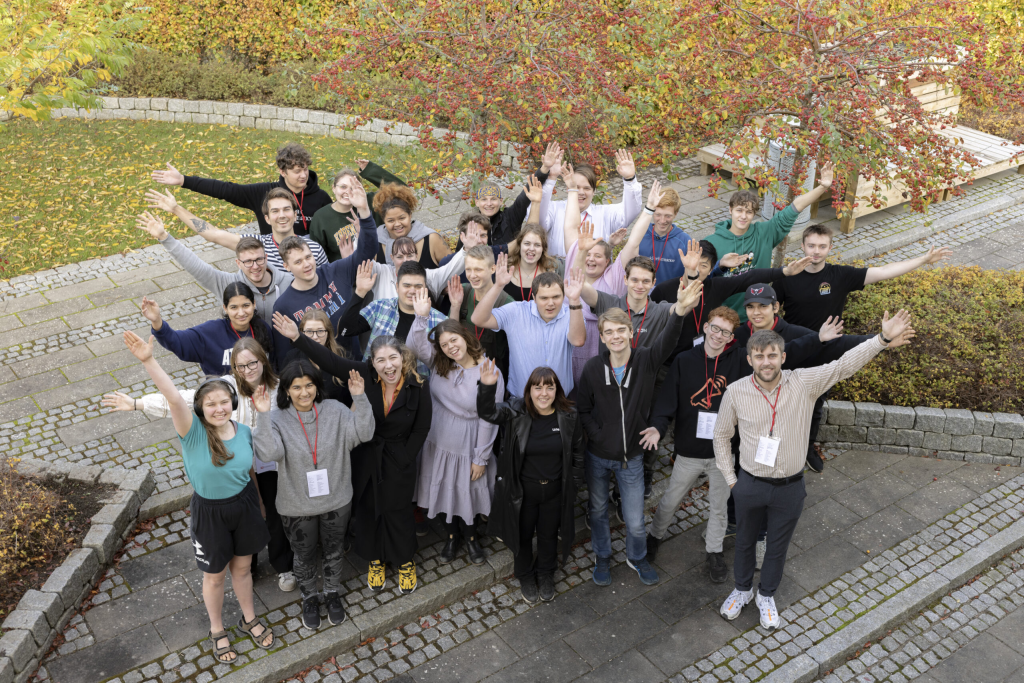
Representing apprentices in Denmark
Can you briefly introduce your organisation and explain how you represent apprentices in your country?
The Danish Vocational and Technical School Student’s Union, formally known as Erhvervsskolernes ElevOrganisation (EEO), serves as the representative body for students enrolled in vocational schools and technical secondary education programmes throughout Denmark.
Being a student-led democratic organisation, we make sure our opinions count and play an active role in shaping our education. The Union highlights issues in schools and works together with Danish politicians and other groups to find solutions and enhance the educational experience.
What do you see as the biggest challenges apprentices face today in Denmark?
In Denmark, we face significant challenges with low democratic confidence, particularly within vocational schools. Additionally, apprentices may encounter challenges related to working conditions and the quality of educational standards during their apprenticeships.
We urgently need more skilled workers; however, it is difficult to attract people to vocational education and training (VET) due to multiple factors, including misconceptions and a lack of accurate information.
From your perspective, what are the top priorities for apprentices at the European level?
We want to see a universal standard across Europe for learners’ rights and the quality of education: one that all countries can look to as a benchmark.
Such a standard would make it easier to organise mobility opportunities and exchange programmes for apprentices. This would allow them to learn new languages, share regional perspectives and skills while fostering a real culture of travelling for study – like what already exists at universities. As a Union, our aim is to enhance opportunities so that vocational education and training (VET) become more attractive and is regarded as equally important as a university degree.
Actions on youth
How are apprentices currently represented in policymaking and/or VET governance in Denmark?
Our organisation is a big part of representing the VET perspective politically in Denmark, and within the Union we have established a dedicated VET council to make sure we are effectively representing the students. Our organisations board consists of democratically elected students, and a part of the boards consists of the VET council. The council’s main purpose is representing the VET perspective in the organisation. We aspire to ensure that VET students are represented as much as possible at all levels of EEO.
How does the Union engage with employers, training providers and government to improve the quality of apprenticeships in Denmark?
While we do not directly engage with employers, we maintain continuous dialogue with schools and learners through our members, and we work to drive political change via the press and discussions with policymakers. A key example of this is our ‘EPX paper’ released earlier this year, which set out our vision for how the new preparatory VET school in Denmark should look.
What steps has the Union taken to promote gender equality in apprenticeships?
At our most recent congress, we voted in favour of the EEO releasing statements that promote policies ensuring free access to female hygiene products at all VET and technical institutions in Denmark. We are also in favour of vocational and technical training centres providing protective gear, workwear, and uniforms tailored specifically for women to ensure a comfortable and safe learning experience for all.
If you had to highlight some achievements the Union is most proud of, what would they be?
We are proud of many achievements, first securing better training for VET instructors, strengthening their pedagogical and teaching skills.
Additionally, we have successfully secured students’ access school-affiliated accommodations during weekends and holidays. This initiative is particularly beneficial for individuals who face lengthy commutes, as it enables them to continue their education without interruption.
Finally, we ensured that students have the opportunity to participate in committees responsible for shaping vocational curricula, thereby enabling their perspectives to play an integral role in the future of education.

Looking ahead – advice for aspiring apprentices
How can the EAN better support the Union in its work with apprentices locally and nationally?
In Denmark, major reforms to the education system are currently underway, including the development of a new preparatory vocational education school. In this context, we find international experience from countries with similar systems invaluable in shaping how we advise our government.
Our goal is to create better schools and ensure secure, safe and effective apprenticeships for VET learners. We believe that EU requirements and frameworks can help immensely in establishing a quality standardised education system both nationally and internationally.
What advice would you give to young people considering an apprenticeship today?
We believe that choosing apprenticeships should be based on genuine interest. While we want more young people to pursue vocational education, it should never be forced. Students should not feel compelled to choose VET out of necessity – instead, we must create real excitement and inspire them to follow what they find most fulfilling.
When the trade, the tradition and the work itself spark interest and passion, there is no doubt that vocational education is the right path to take.
If you could deliver one message directly to the European Commission, on behalf of apprentices, what would it be?
We encourage the European Commission to recognise that apprenticeships encompass rich traditions beyond professional training. Trades should be valued and taught as crafts in VET institutions, not just as a means of developing skills. We wish that this idea was better reflected in the way VET is taught and passed down to new learners.
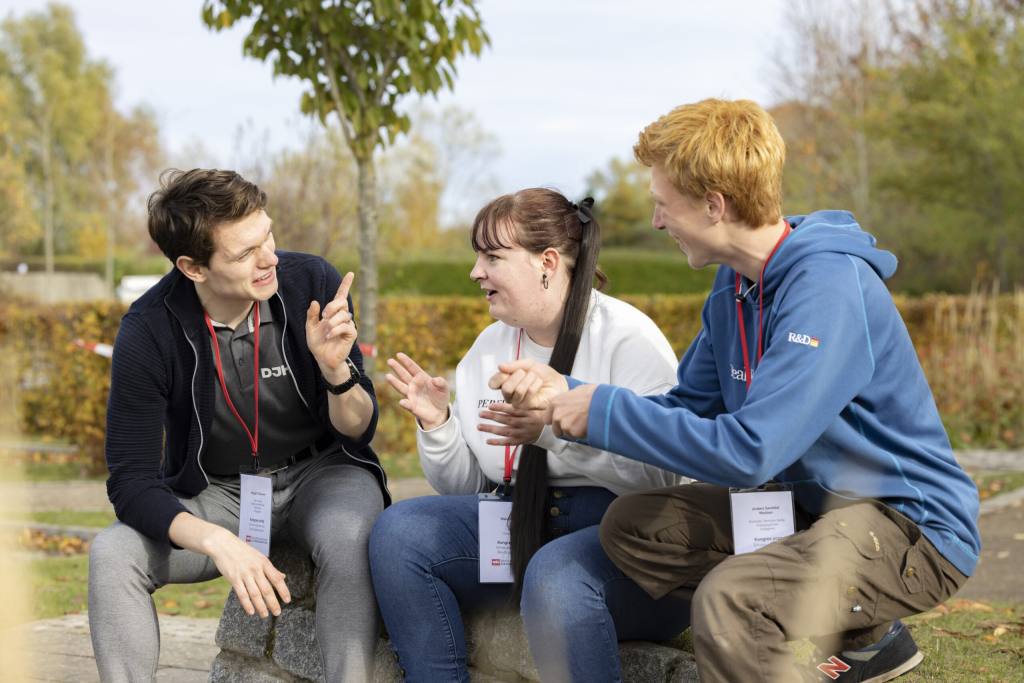
 European Apprentices Network