
From 30 June to 1 July 2025, the European Apprentices Network (EAN) held its annual meeting in Brussels, bringing together apprentices, youth organisations, policymakers, and European stakeholders.
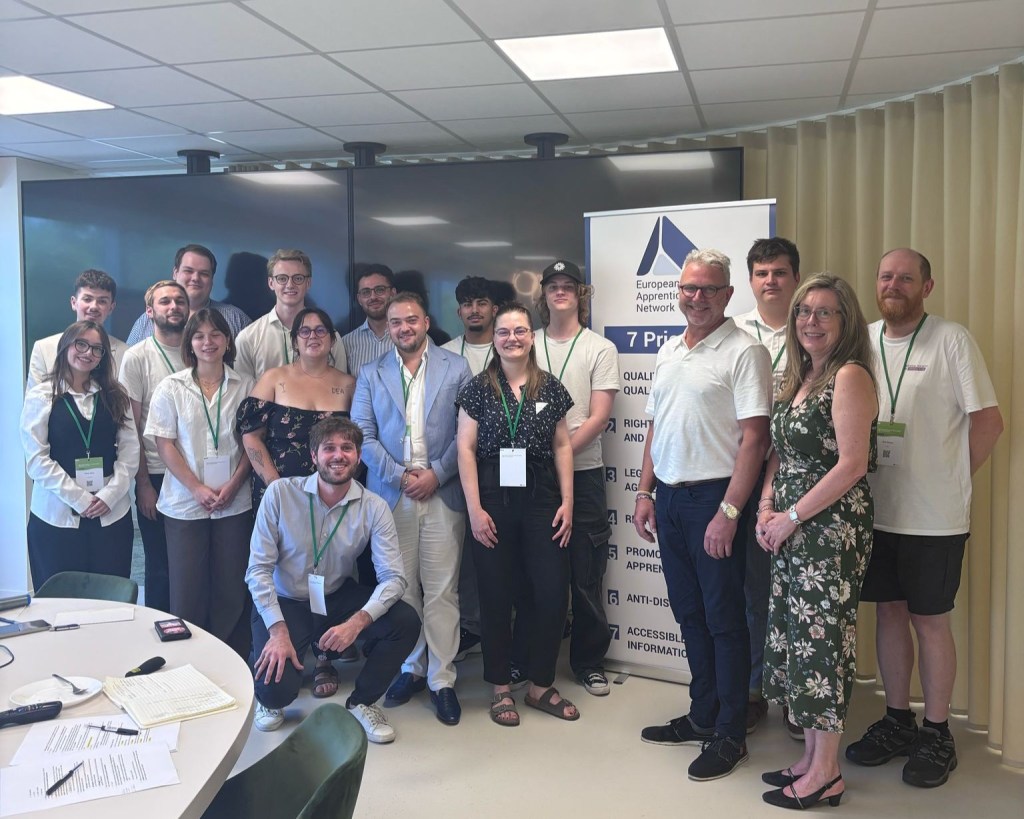
The two-day event provided a platform to reflect on the current state of apprentices and reaffirmed a vital message: apprentice representation must be at the heart of vocational education and training (VET) systems across Europe.
A clear message: representation is essential
Amidst ongoing geopolitical challenges, the emergence of far-right movements, the absence of updated EU-wide data in the VET sector, and a renewed commitment to strengthening its network, the EAN has devoted its 2025 Annual Meeting to enhancing apprentice representation across Europe and fostering renewed engagement among young people with EU and democratic values.
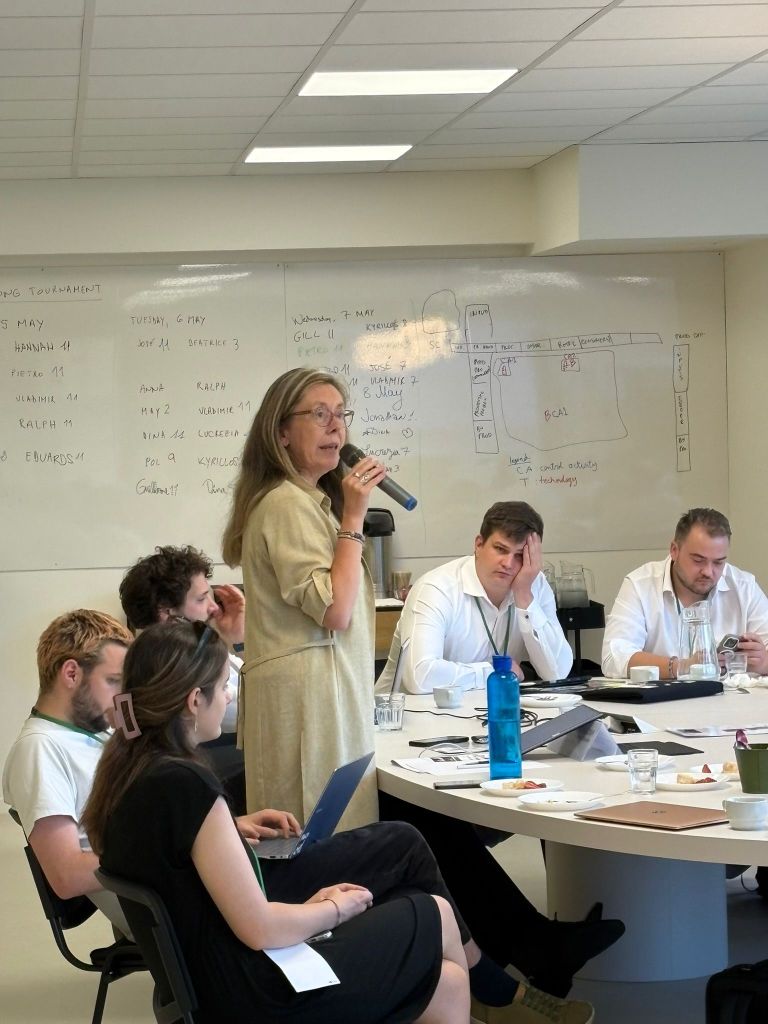
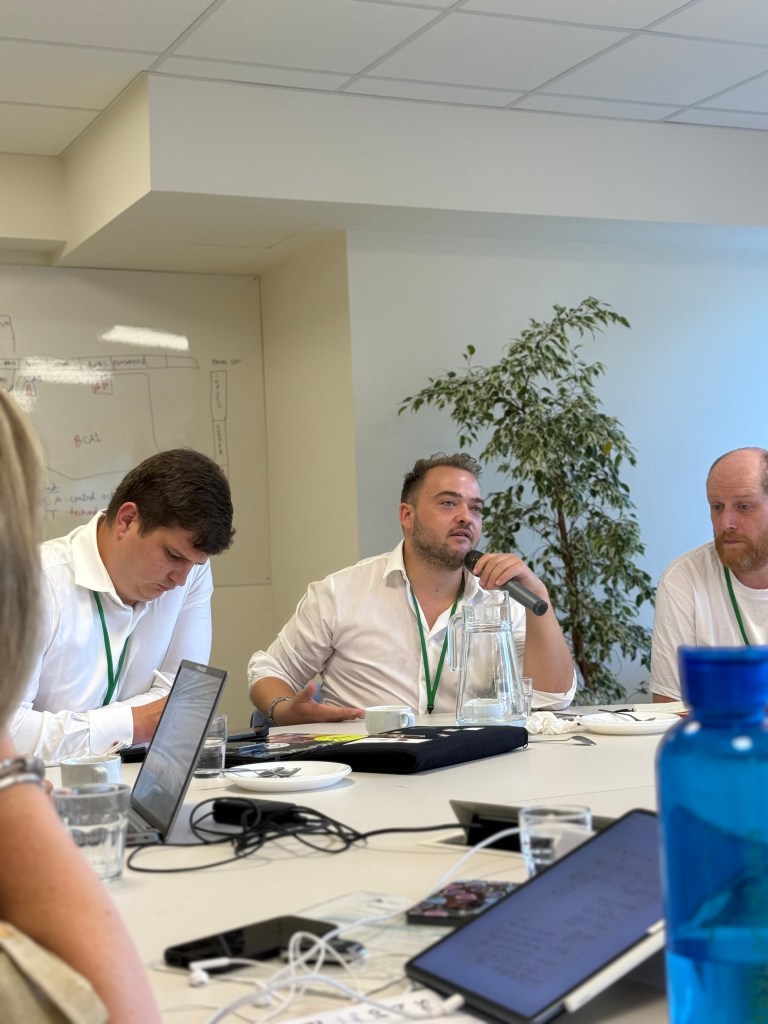
Apprentices occupy a unique dual role as both learners and workers – yet their voices often go unheard in policy discussions and workplace decisions. At the meeting, participants shared personal experiences of exclusion and disempowerment, citing low trust in institutions, limited civic education, and lack of opportunities for meaningful participation.
Guest speakers Are Solli from Norway, Isabelle Le Mouillour from Germany, Ruben Abarca from the European Vocational Training Association (EVTA), and Finja Lee-Bethke from the European Trade Union Confederation (ETUC) Youth echoed these concerns, showcasing national examples of stronger apprentice involvement. Norway’s local governance model and Germany’s legally mandated workplace representation were highlighted as promising practices. Still, participants noted that across many countries, apprentices face unequal treatment and are often excluded from collective bargaining structures.
The discussion made clear that ensuring meaningful, structured representation is not only a democratic imperative but is also essential to the quality and effectiveness of apprenticeship systems.
A changing policy landscape
The event opened with updates from Anna Barbieri, Team Leader for Apprenticeships and Erasmus+ at the Directorate-General for Employment, Social Affairs and Inclusion (DG EMPL), who presented the newly launched Union of Skills – a flagship initiative addressing labour market needs through upskilling, reskilling, and improved recognition of qualifications. Key actions include the Girls go STEM campaign and the Basic Skills Action Plan, both of which aim to close skills gaps and promote gender equality in education and employment.
Ms Barbieri also reiterated the Commission’s support for the European Framework for Quality and Effective Apprenticeships (EFQEA) and announced the upcoming Herning Declaration, which will renew focus on apprenticeships and mental wellbeing.
Apprentice representation remains a high priority for the European Alliance for Apprenticeships (EAfA), with the EAN and the Organising Bureau of European School Student Unions (OBESSU) continuing to participate in the Advisory Committee on Vocational Training (ACVT) to shape EU-level policy.
Strengthening the EAN as a platform for change
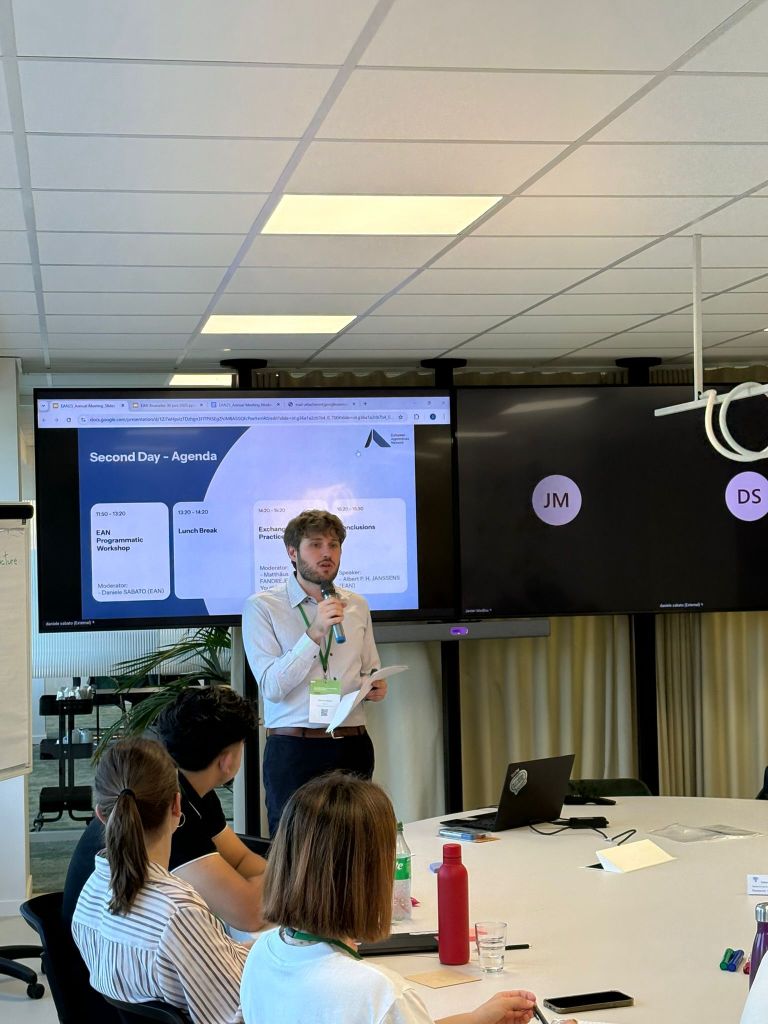
The second day featured a programmatic workshop focused on strengthening the EAN’s structure and impact. Participants called for the EAN to evolve from a flexible network into a more coordinated and representative platform with the capacity to influence policy more directly.
Key proposals included:
- hosting a European Apprentices Conference with external stakeholders to enhance impact and develop joint positions
- establishing a rotating steering committee to promote inclusive governance and continuity
- boosting alumni engagement and clarifying member roles and responsibilities
- organising online meetings every six weeks to maintain momentum and connection.
While recognising that the path towards these goals and the network’s formalisation is not without impediments, all participants showcased commitment to realising the EAN’s potential as a platform that advocates for the rights and needs of all apprentices across Europe.
Reviewing EAN’s priorities
Participants reflected on EAN’s current priorities, first defined in 2017:
- Quality education and quality assurance
- Rights, responsibility and protection
- Legally binding agreements
- Representation
- Promoting apprenticeship
- Non-discrimination
- Accessible information.
These priorities remain broadly relevant, but refinements were proposed to better reflect evolving needs:
- developing a shared definition of ‘quality education’ and a Europe-wide framework to monitor learning outcomes and trainer standards
- expanding the non-discrimination priority into a broader focus on inclusion
- adding civic education as a new political priority
- promoting fair wages and advocating for apprentice inclusion in EU minimum wage directives
- enhancing monitoring and research, potentially through partnerships with Ecorys or the European Trade Union Committee for Education (ETUCE).
Representation was reaffirmed as a cornerstone priority – critical to enabling apprentices to drive meaningful change across all other areas.
Looking ahead
The 2025 EAN annual meeting made one thing clear: representation is not optional – it is fundamental to building strong, inclusive, and future-proof apprenticeship systems.
The EAN remains firmly committed to promoting quality apprenticeships and ensuring that apprentices are active participants in shaping the policies that affect them. By investing in stronger representation, shared advocacy, and structured collaboration, the EAN is laying the groundwork for a more resilient and skilled European workforce.
Download here the full event report and slides.
The article was written by the European Alliance for Apprenticeships (EAfA), Employment, Social Affairs & Inclusion, European Commission.
 European Apprentices Network